6 March
The plan for PID Masters
A proposal for a reusable temperature-control testbench that future SPS workshops could use too.

A term of events and projects, and the people who built them. Scroll through what the IEEE SPS execom did this year.
This term we taught first, then built. Boards in hands, signals on screens and deepfakes on trial, for *every* branch and *every* year.
The numbers first, then the things the numbers don't capture.
Nucleo Signal Quest took students from a quiz to running FFTs on real microcontrollers in about two weeks.
PID Masters, our temperature-control testbench, was on show at the project exposition.
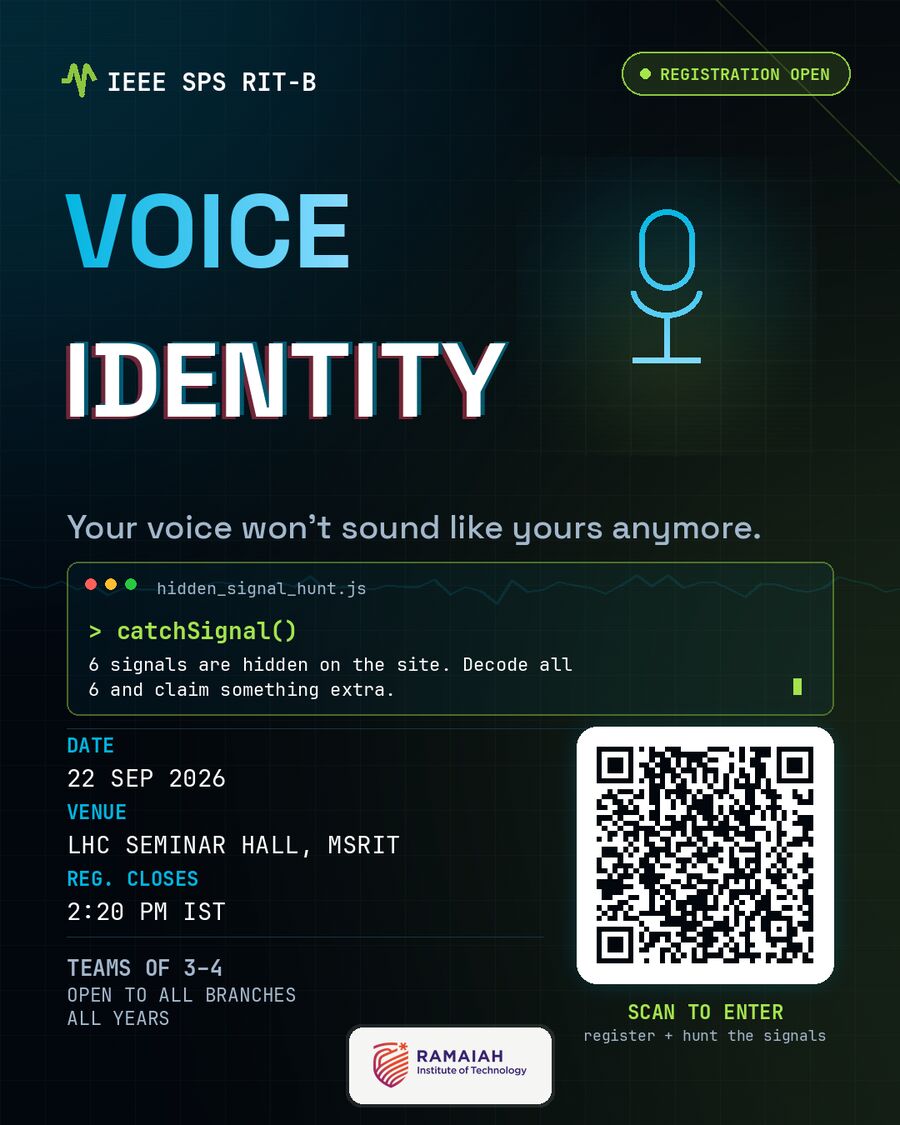
Voice Identity used neural voice cloning, a live spectrogram and a QR phone buzzer that we built ourselves.
Students from aerospace, biotech, mechanical, CS and every branch of electronics took part, many of them in their first year.
Execoms are building their own signal-processing projects, starting with directional audio and beat detection.
Every event has a full report, so the next batch can start from what we learned.
A proposal for a reusable temperature-control testbench that future SPS workshops could use too.
The Signal Quest qualifier on the NUCLEO-G071RB, alongside interviews to bring new people into the chapter.
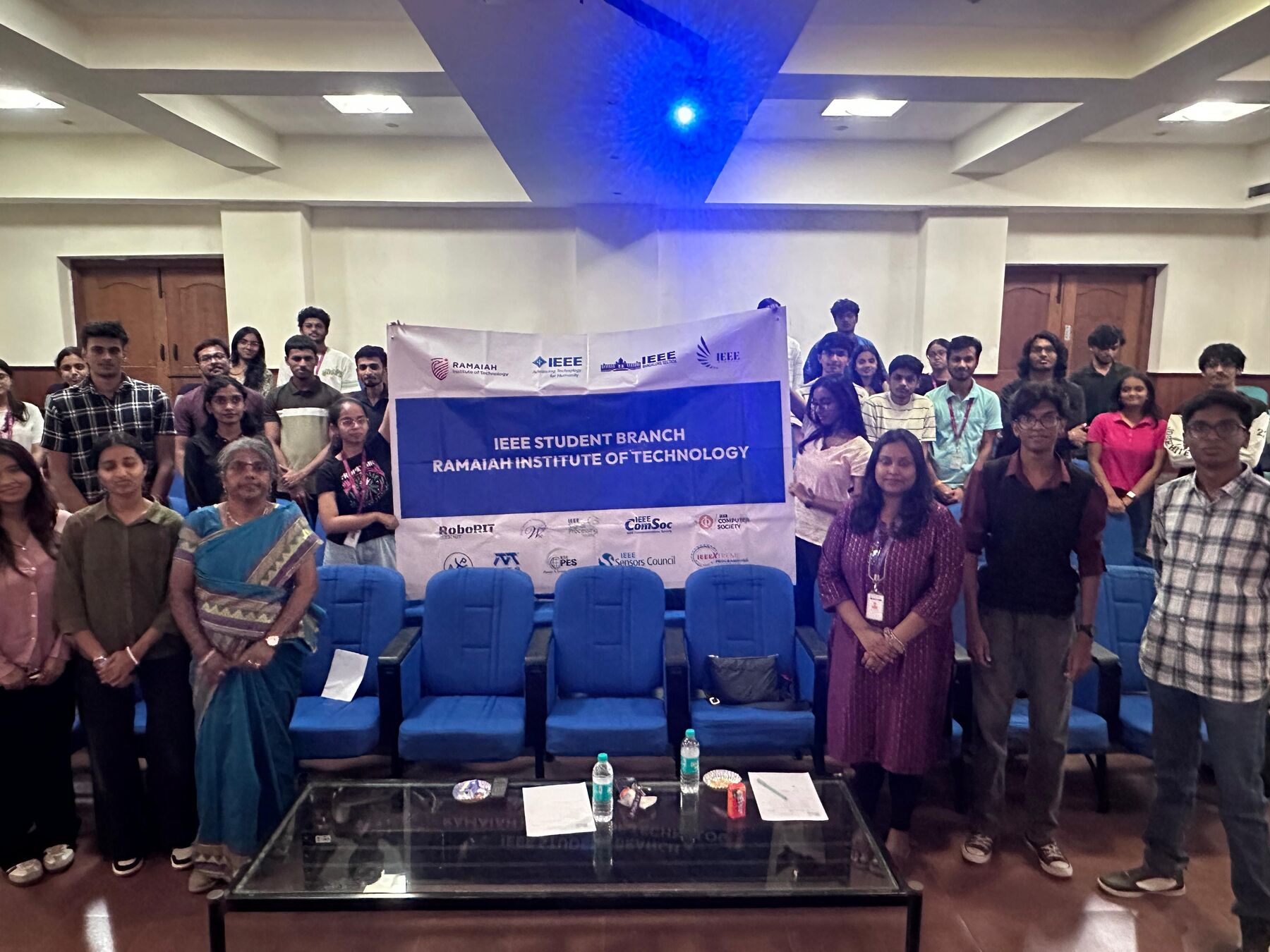
A workshop, then the finals: FFTs running live on STM32 boards at LHC Seminar Hall.
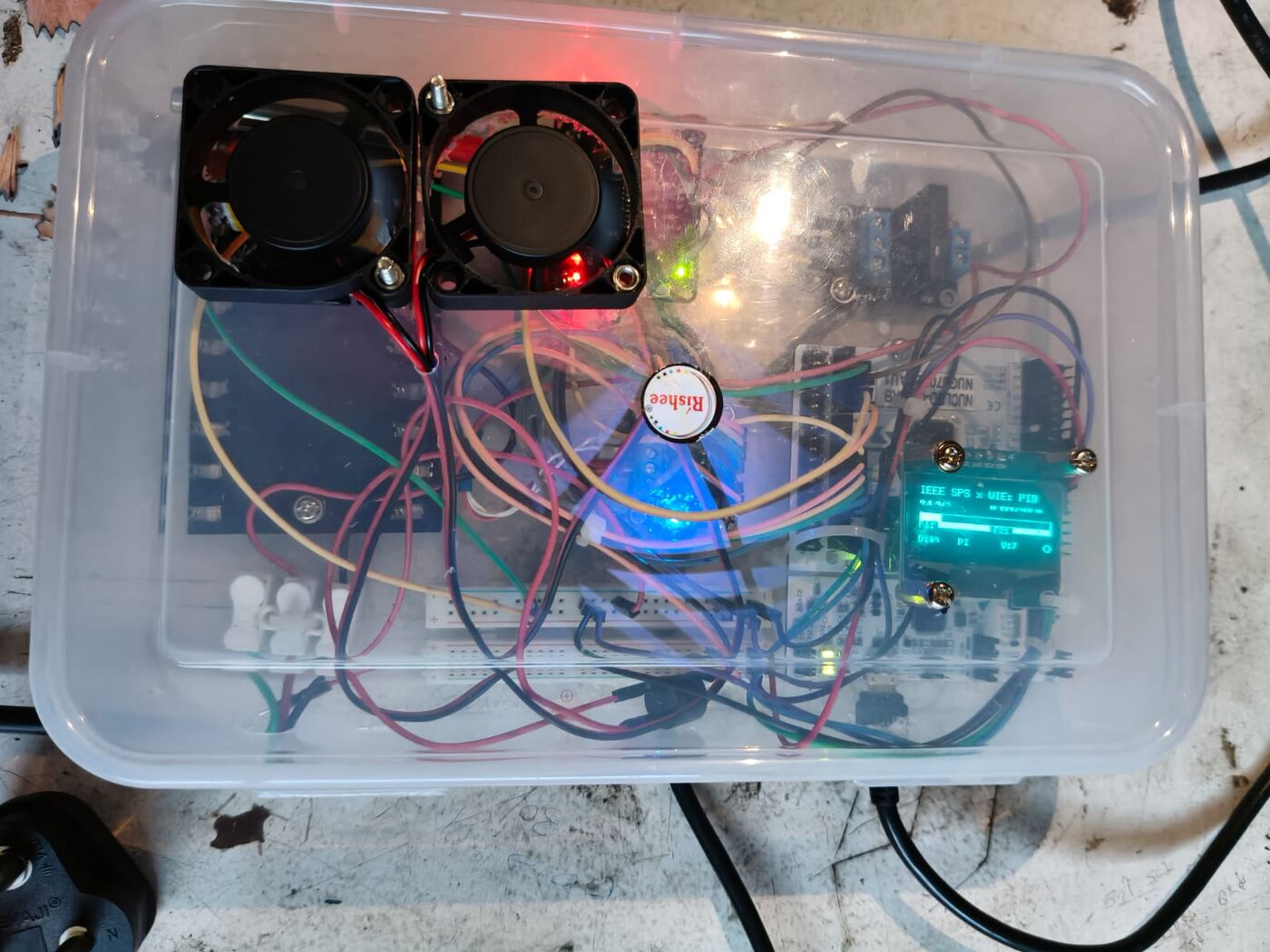
From idea to a working testbench with a live dashboard and autotuning.
PID Masters went on display at Pradarshana with a browser-based block-diagram designer for the control loop.
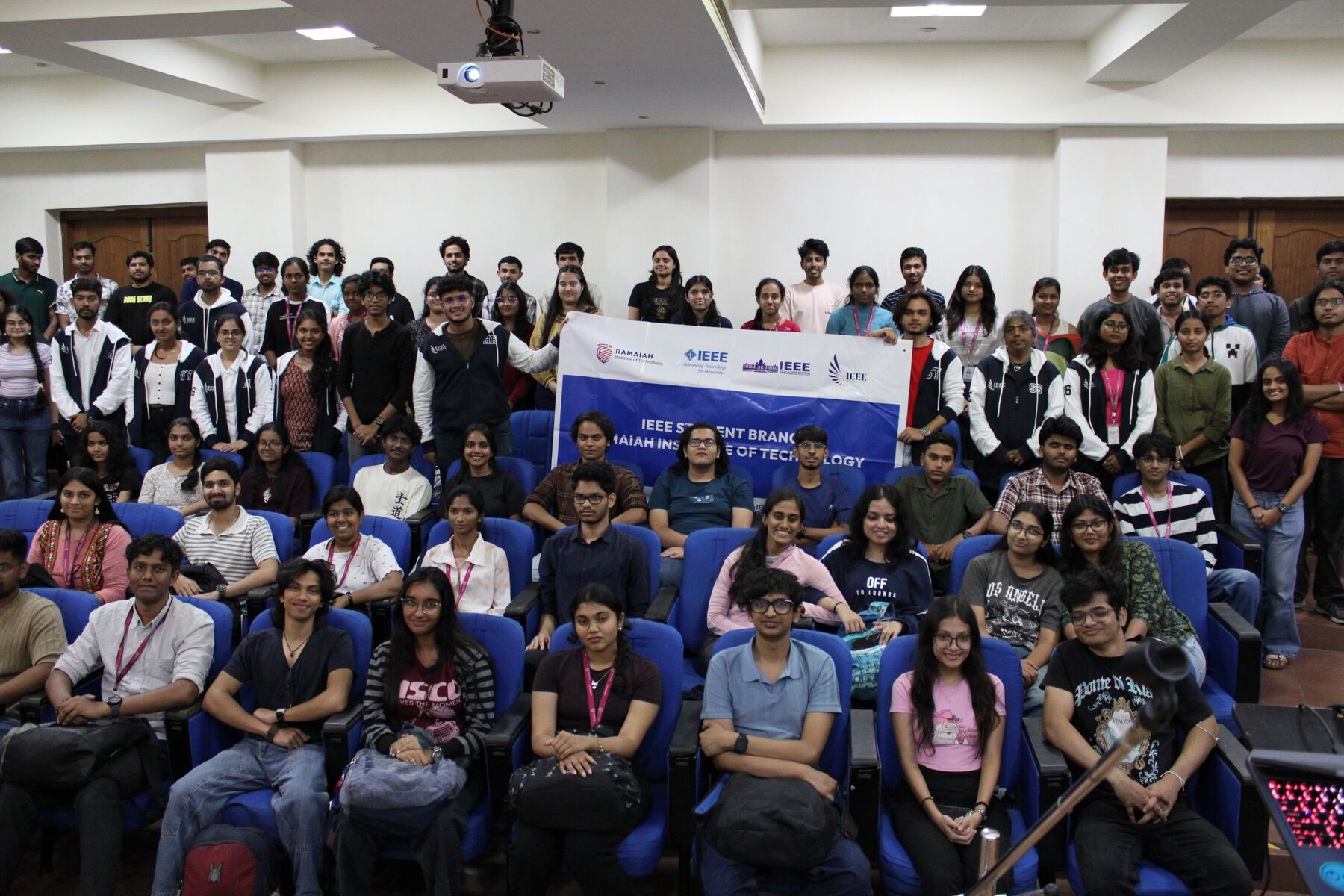
77 students, three rounds and real-time deepfake detection. Our biggest event of the term.
Mohona is building a directional audio capture system and Shashank a beat-detection rhythm visualiser.
Recruitment for the next term is open. Take it further than we did.
See the rolesThe event that opened our term. Most participants had never touched an embedded board, so we taught them first. By the finals, teams were generating composite sine waves on an STM32 Nucleo, running an FFT on the chip and finding the dominant frequencies.
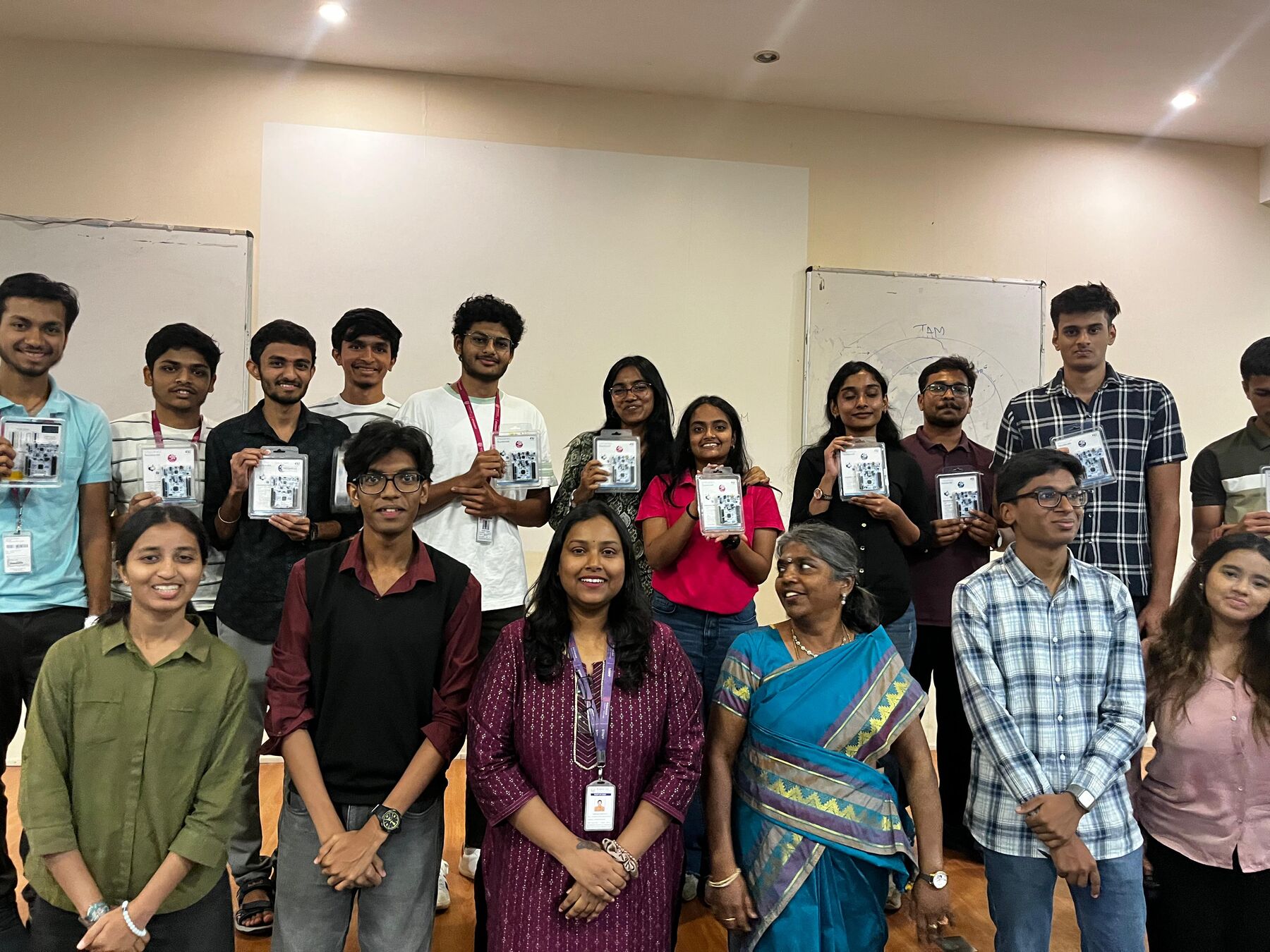
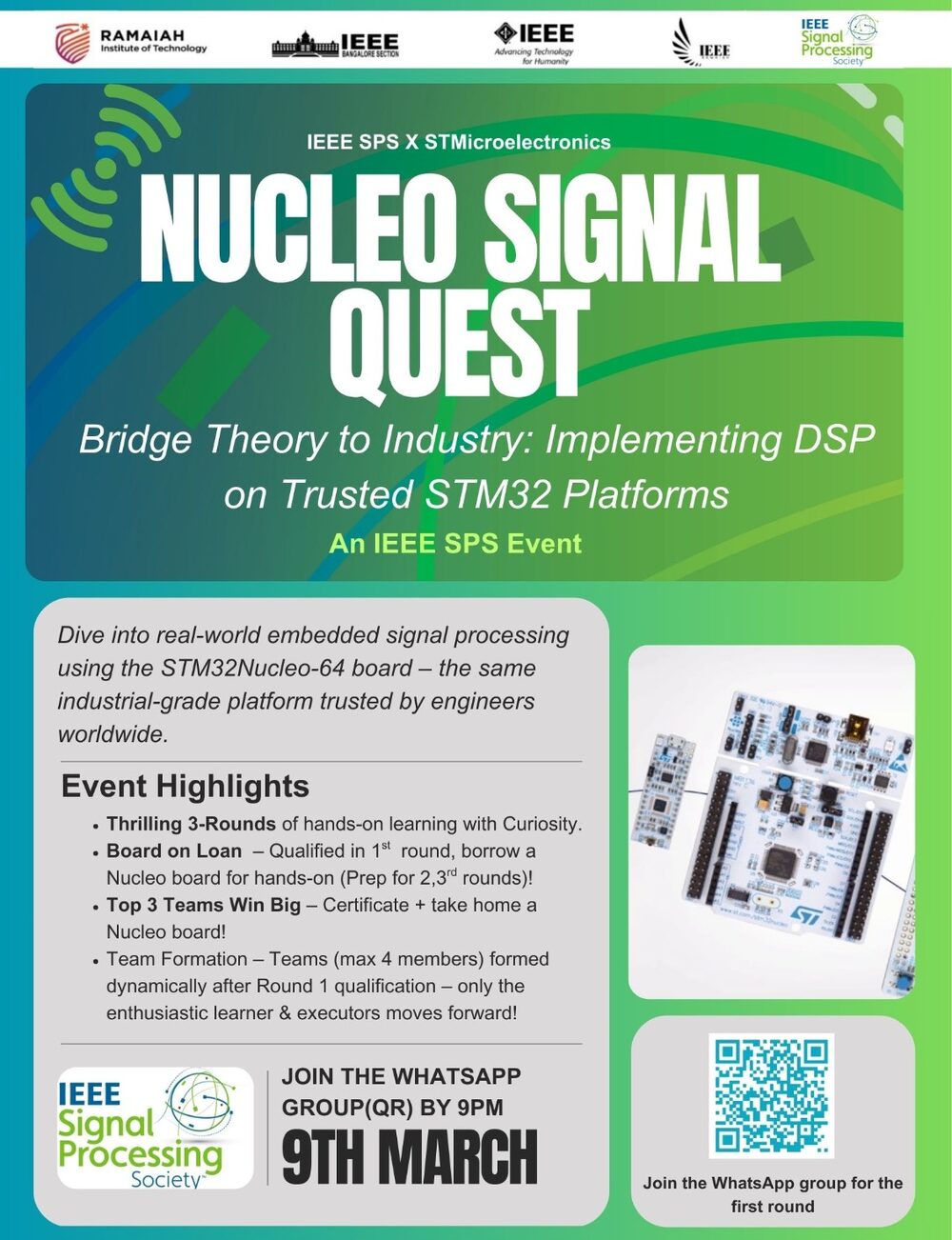
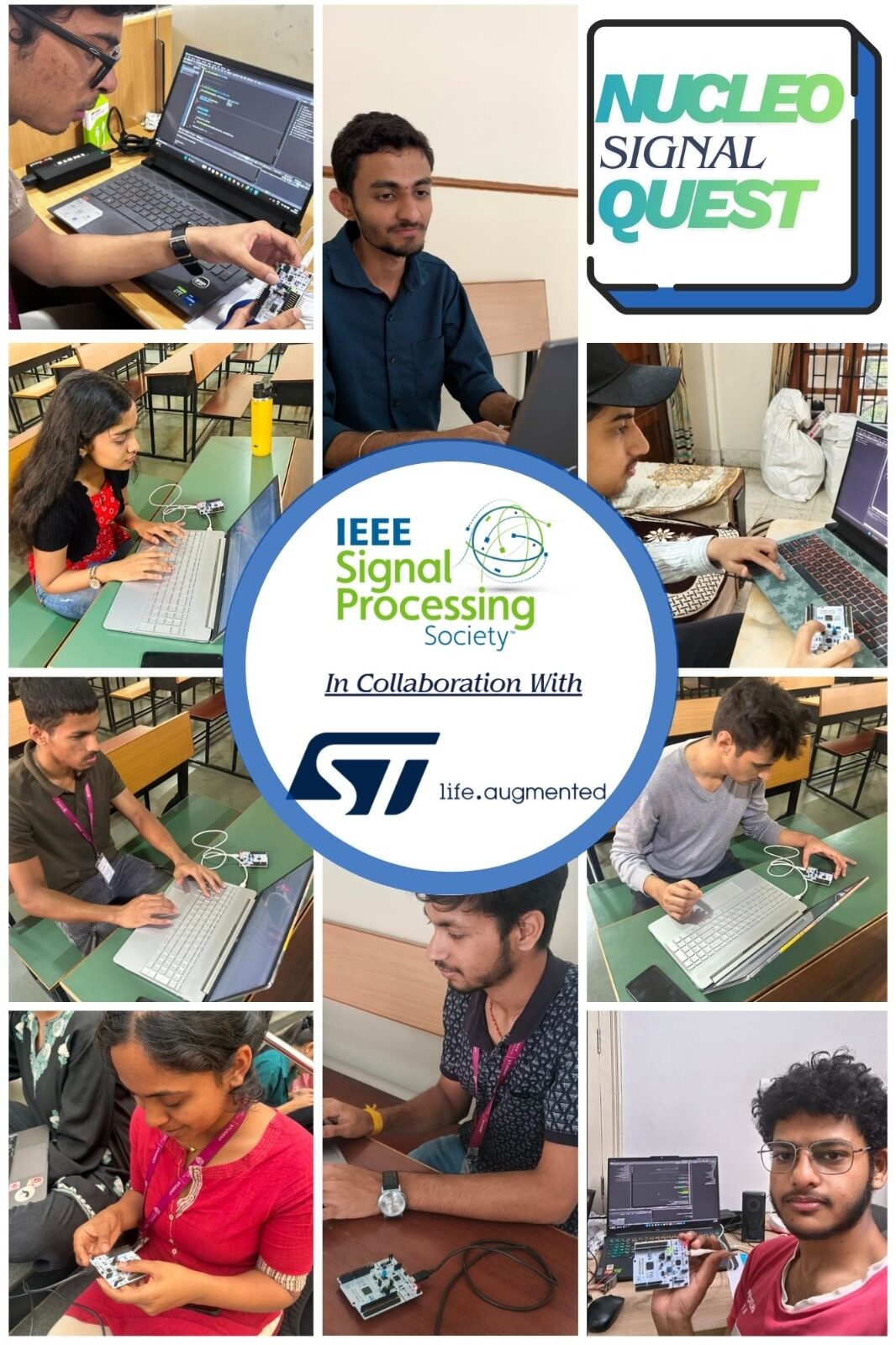
An online quiz on the NUCLEO-G071RB: the Cortex-M0+ core, its ADCs and the Morpho headers. Teams that qualified borrowed a Nucleo board to prepare for the next rounds.
An introduction to the STM32 ecosystem: GPIO, serial debugging, flashing firmware, and then signals.
Generate sinusoids, combine them, run an FFT and find the dominant frequencies, all live on the board.
A collaboration between IEEE Signal Processing Society and IEEE Women in Engineering, RIT-B
Guided by Dr. S Sethu Selvi, Dept. of ECE
A hands-on testbench for learning control theory on a real, live system, built by SPS and WIE together. You set a target, watch the controller respond in real time and compare tuning methods side by side.
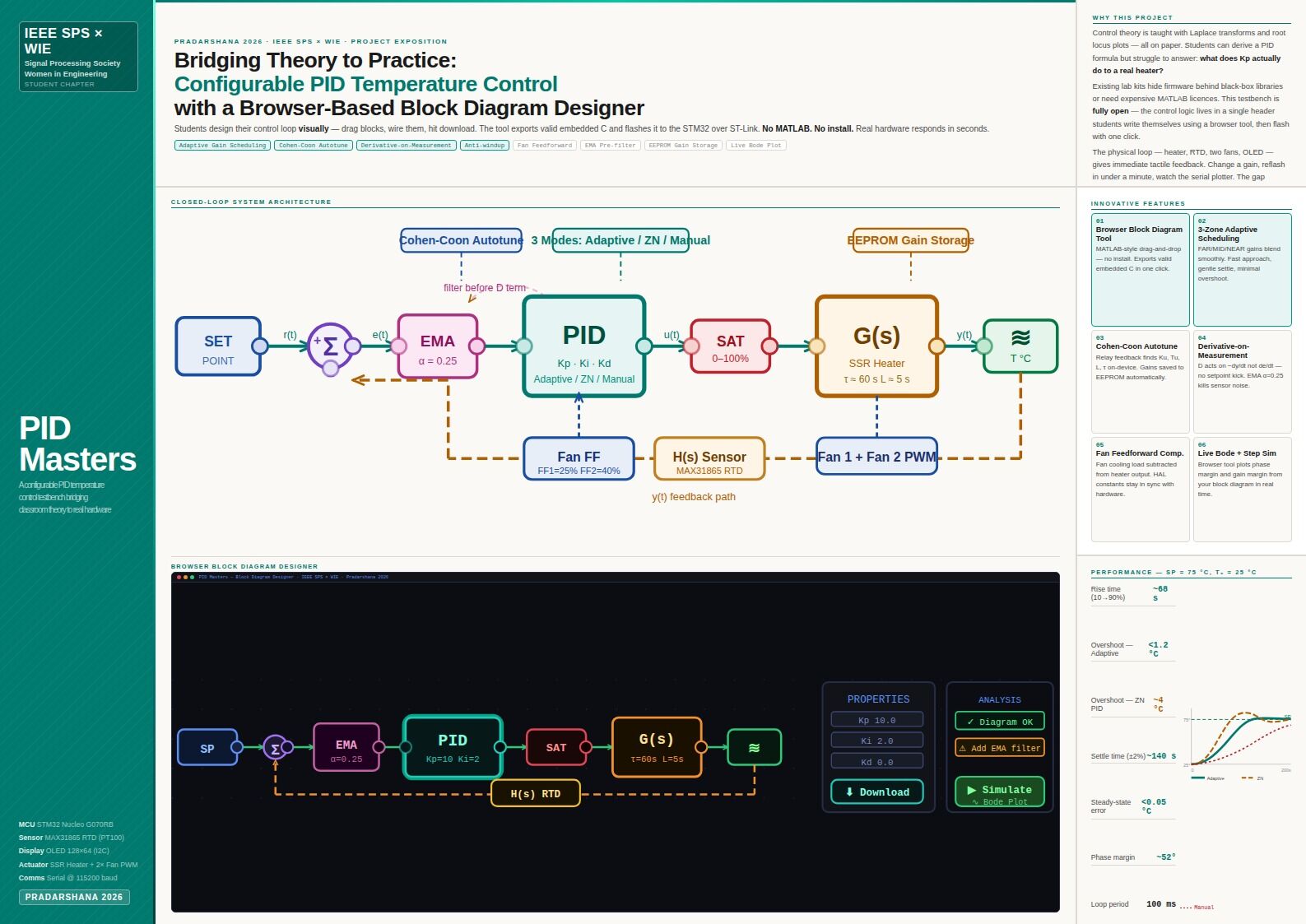
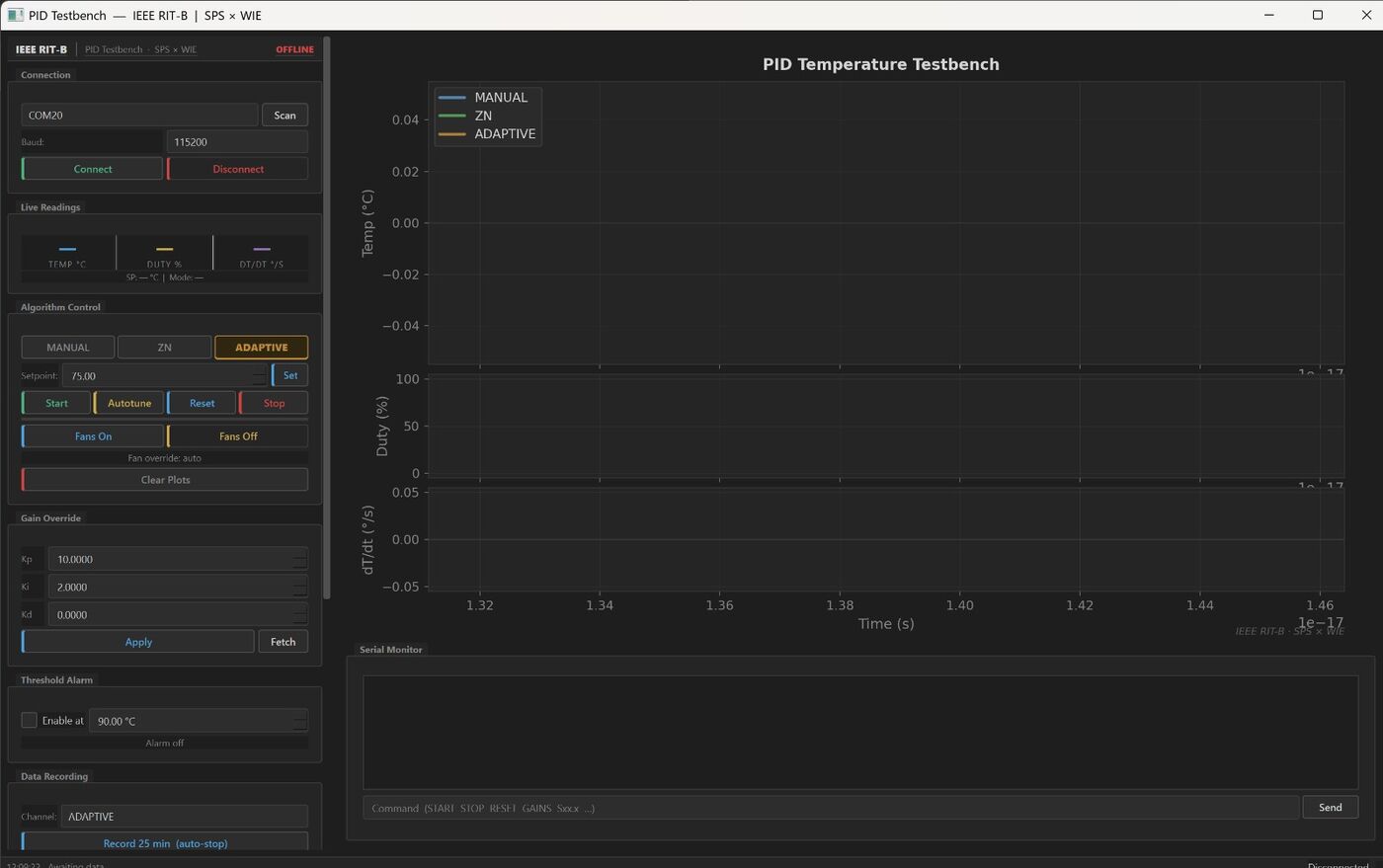
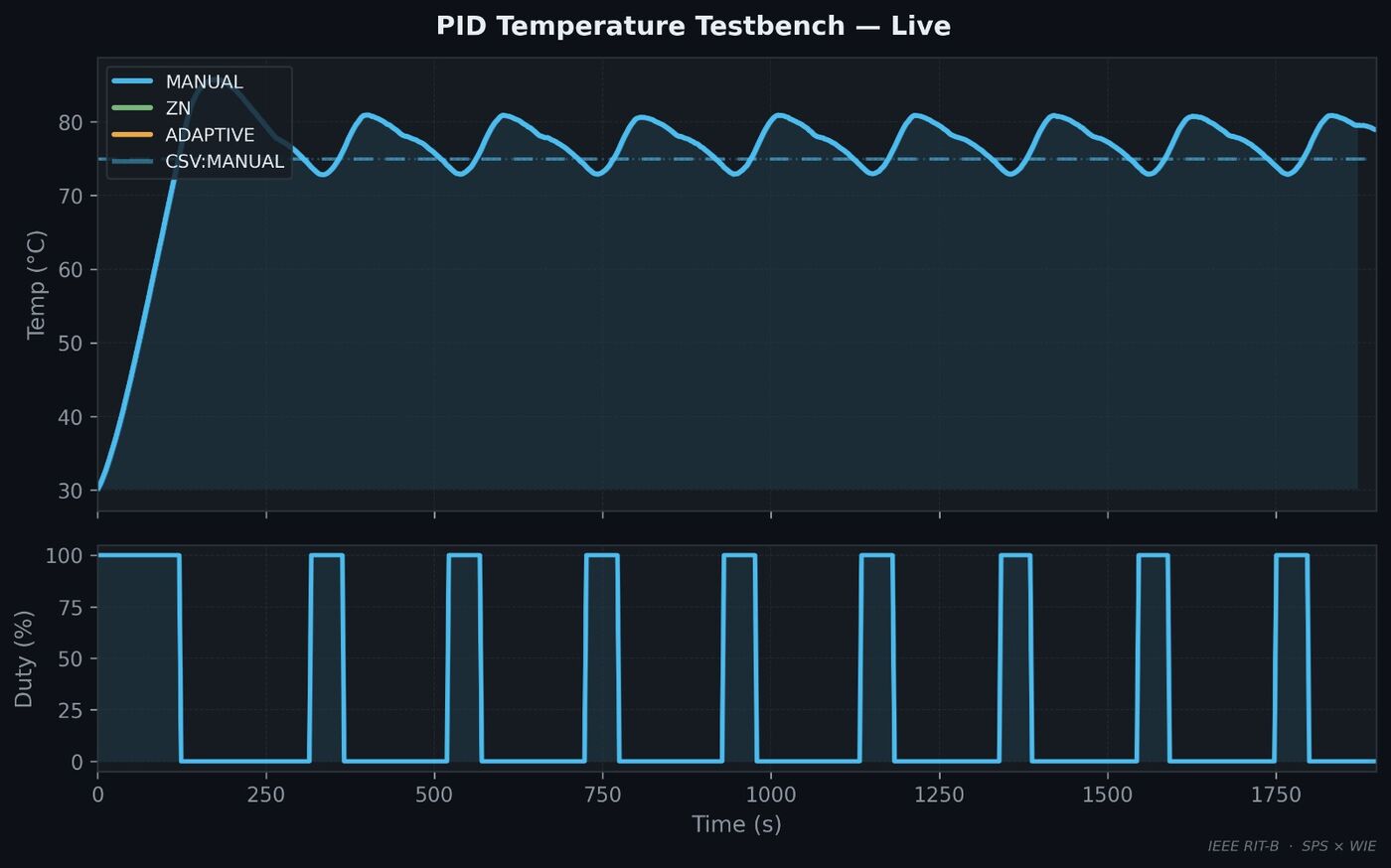
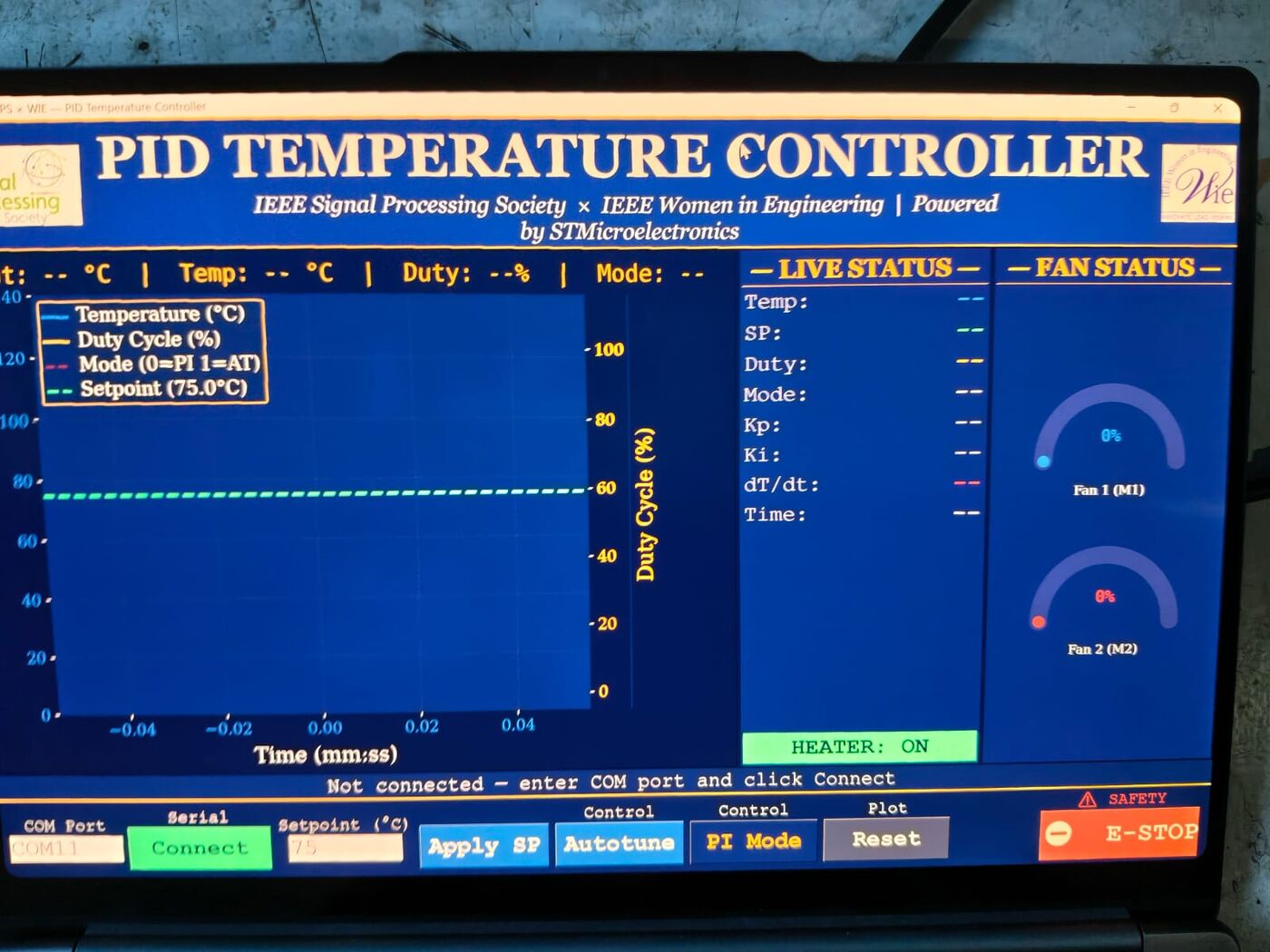
PID Masters was a joint project between IEEE SPS and IEEE WIE at RIT-B. Members of both chapters built it together and showcased it at Pradarshana 2026.
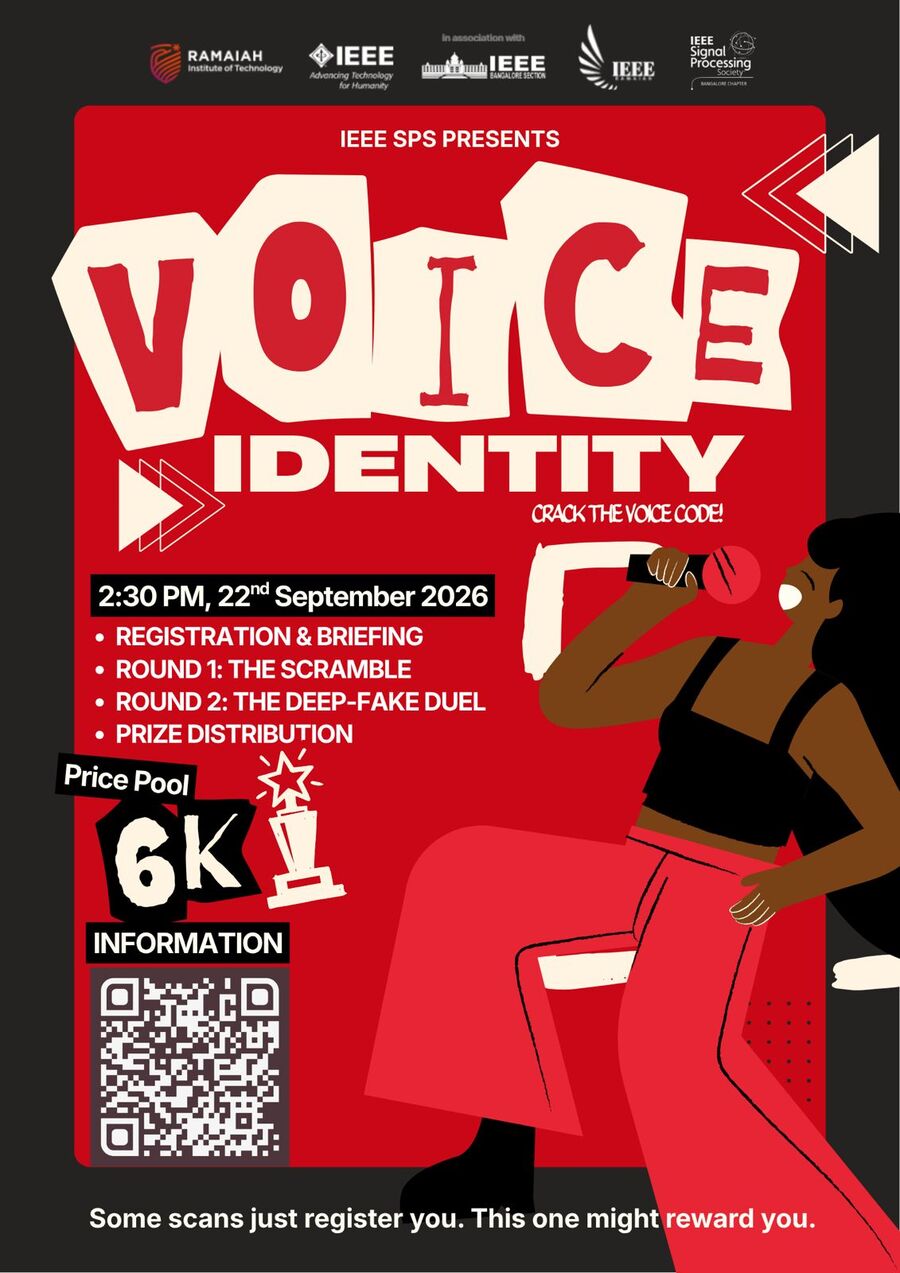
"Crack the Voice Code." Teams had to tell their own teammates apart from disguised human impostors and AI deepfakes cloned from their voices. In Round 1 they went by ear. In the finals they had a live spectrogram.
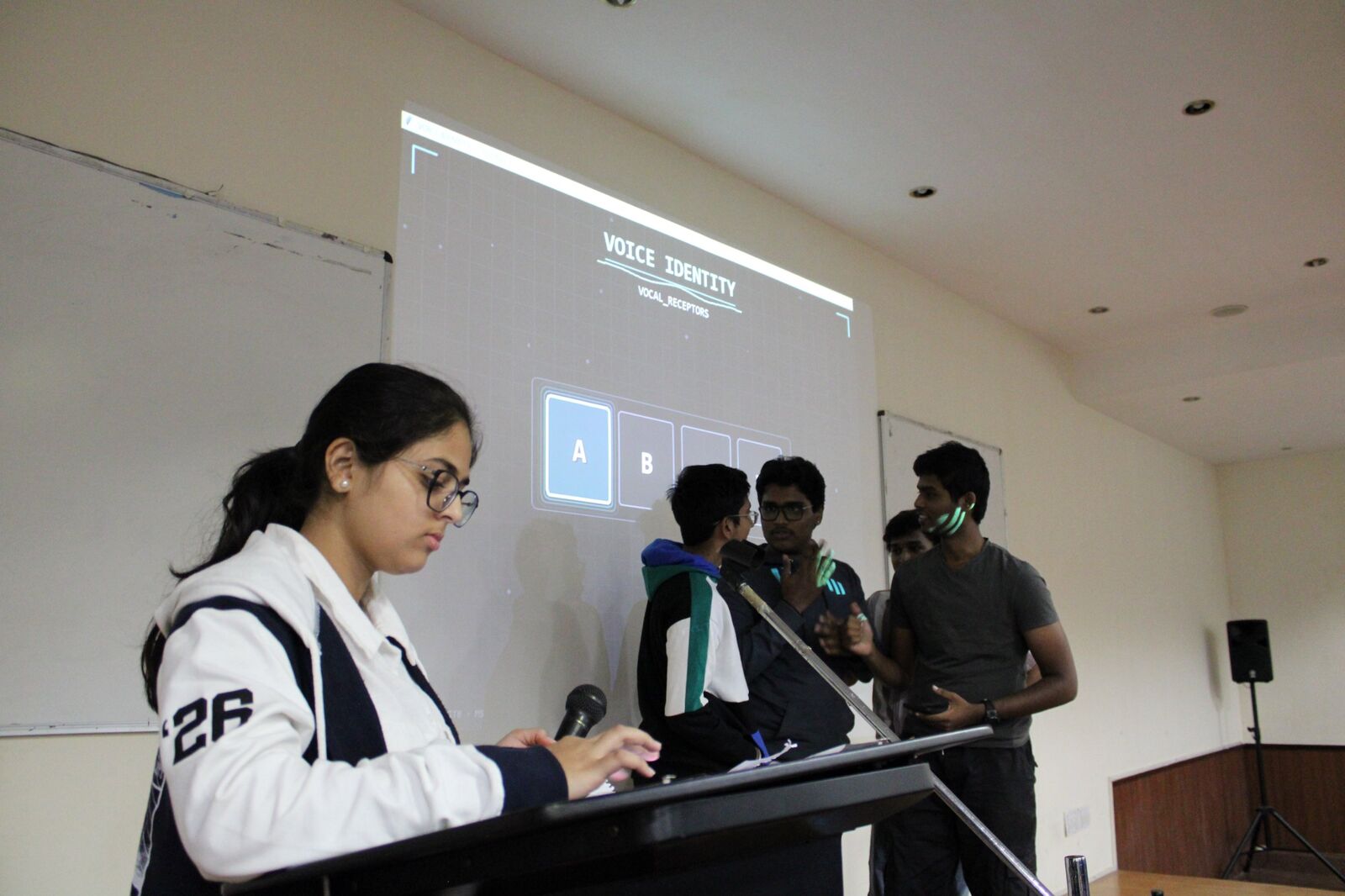
Each teammate was recorded, then pitch-disguised and shuffled. Teams guessed who was who, with streak bonuses, a hidden Mystery Clip and an optional wager.
An audience game of reversed and 8-bit songs and movie quotes. Teams had 30 seconds to name each one.
Six clips per team: Teammate, Human Impostor or AI Deepfake? Teams answered by phone, with a live spectrogram as their only clue.
We built the event system, the QR buzzer running over a phone hotspot and the deepfake pipeline. The deepfakes got a 50 Hz robotic tint so the spectrogram gave teams a fair chance. If a team disputed a clip, we could synthesise a new phrase live in their teammate's voice.
The event website also had six signals hidden across it for participants to find and decode.
ECE, ETE, CSE/AIML, EEE, ML, ISE, EIE, Aerospace, Biotech and Mechanical, all on one leaderboard.
Projects started for SPS execoms this term. They aren't finished yet. Here's where they're heading.
A system that picks up sound from a chosen direction and filters out background noise. It uses multiple microphones and aligns their signals using the delay between them.
Concept illustration: drag the source and watch the cross-correlation peak shift.
A real-time system that detects beats in audio and syncs LED patterns to the music.
Concept illustration. Turn the sound on and the bars follow the music's spectrum.
The IEEE SPS RIT-B execom for 2026.
Our term is ending. Everything on this page is a starting point. We're looking for the next execom: people who will fix what we missed and take IEEE SPS further than we did.